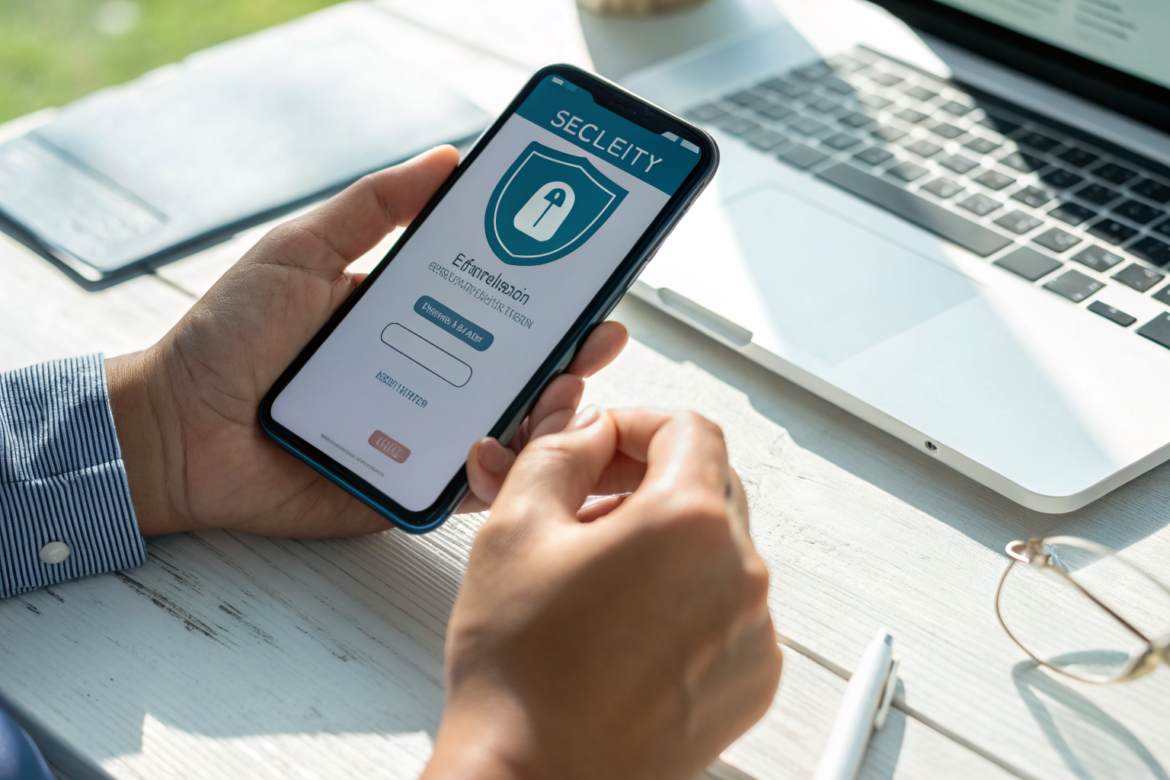
With the rapid growth of online gambling in India, securing your betting accounts has become more critical than ever. Indian players face unique security challenges, from sophisticated phishing attempts targeting UPI and digital wallet users to regulatory compliance requirements under the Prevention of Money Laundering Act (PMLA). Two-factor authentication (2FA) provides an essential extra layer of protection that goes beyond traditional passwords, making it nearly impossible for unauthorized users to access your accounts even if they obtain your login credentials.
Popular authenticator apps like Google Authenticator, Authy, and Microsoft Authenticator have gained widespread adoption among Indian users due to their reliability and ease of use. These apps generate time-based codes that refresh every 30 seconds, providing dynamic security that adapts to India’s diverse digital landscape. Whether you’re using Android or iOS devices, setting up 2FA on your gambling accounts is a straightforward process that significantly reduces your risk of account compromise and ensures compliance with increasingly stringent security regulations.
Why 2FA is Essential for Indian Gambling Accounts
The Indian online gambling landscape faces heightened security risks due to the country’s rapidly expanding digital payment ecosystem and evolving cybercrime tactics. Hackers frequently target gambling accounts because they often contain significant financial balances and are linked to multiple payment methods including UPI, digital wallets, and bank accounts. Unlike SMS-based verification, which can be intercepted through SIM swapping attacks that have become increasingly common in India, 2FA apps generate codes locally on your device, making them virtually immune to remote interception.
PMLA compliance requirements mandate that gambling operators implement robust security measures to prevent money laundering and ensure proper customer identification. Two-factor authentication helps satisfy these regulatory demands while protecting players from unauthorized transactions. The dynamic nature of 2FA codes means that even if cybercriminals obtain your password through data breaches or phishing attacks, they cannot access your account without physical possession of your authenticated device.
Indian gambling platforms process millions of rupees in transactions daily, making them attractive targets for organized cybercrime groups. 2FA serves as a critical deterrent, as the additional verification step significantly increases the time and resources required for successful account takeovers, often causing attackers to abandon their attempts in favor of less secure targets.
Legal and Regulatory Context in India
Understanding the legal framework surrounding online gambling security in India helps players appreciate why 2FA implementation has become increasingly important. Anti-money laundering regulations require operators to maintain detailed audit trails and implement multi-layered security protocols.
- PMLA Compliance Requirements: Operators must verify customer identities and monitor suspicious transactions, with 2FA serving as a key component of the required security infrastructure
- State-Specific Gambling Laws: Different Indian states have varying regulations regarding online betting, with some requiring enhanced security measures for licensed operators
- Age Verification Mandates: Platforms must ensure only eligible users access gambling services, with 2FA helping prevent account sharing and underage access
- Financial Transaction Monitoring: Real-time transaction verification through 2FA helps operators detect and prevent fraudulent activities as required by banking regulations
- Data Protection Standards: Growing privacy regulations in India emphasize the importance of securing personal and financial information through multi-factor authentication
2FA vs Other Security Measures
While multiple security technologies protect online gambling accounts, 2FA offers distinct advantages that complement other protective measures. Understanding how different security features work together helps players make informed decisions about account protection.
| Feature | 2FA | SSL | KYC |
|---|---|---|---|
| Login Protection | Dynamic codes prevent unauthorized access | Encrypts data transmission only | One-time identity verification |
| Real-time Security | Active protection for every session | Passive encryption during transfer | Static verification process |
| Phishing Resistance | High resistance to social engineering | No protection against fake sites | Limited fraud prevention |
| Implementation Cost | Free for users, low cost for operators | Certificate costs for operators | High verification processing costs |
| User Experience | Slight delay, significant security gain | Transparent to users | One-time setup inconvenience |
Choosing the Right 2FA App for Indian Users
Selecting the most suitable authenticator app requires considering factors specific to the Indian market, including device compatibility, offline functionality, and backup options. Different apps offer varying features that cater to diverse user preferences and technical requirements. The ranking below reflects performance, security standards, and user experience specifically relevant to Indian gambling account protection.
- Google Authenticator: Most widely supported by Indian gambling platforms, offers simple setup and excellent compatibility with Android devices prevalent in the Indian market
- Authy: Provides cloud backup and multi-device synchronization, ideal for users who frequently switch between smartphones and tablets
- Microsoft Authenticator: Features push notifications and biometric verification, particularly suitable for users integrated into Microsoft ecosystems
- Duo Mobile: Enterprise-grade security with detailed audit logs, preferred by security-conscious players and high-stakes gamblers
- LastPass Authenticator: Seamlessly integrates with password managers, offering comprehensive account security management
- FreeOTP: Open-source solution providing transparency and customization options for technically inclined users
App Installation Without Phone Number
Many Indian users prefer to set up 2FA without linking their mobile phone numbers due to privacy concerns or to avoid SMS-based vulnerabilities. Most authenticator apps can be installed and configured using only your device and the gambling platform’s QR code or manual setup key. This approach eliminates the need for phone number verification while maintaining full 2FA functionality.
To install apps without phone number requirements, download your chosen authenticator directly from official app stores and proceed with the standard setup process. The app generates codes locally on your device without requiring any personal information registration, ensuring maximum privacy while providing robust security protection for your gambling accounts.
General Step-by-Step 2FA Setup Process
Setting up two-factor authentication follows a consistent pattern across most Indian gambling platforms, though specific menu locations and interface designs may vary. The process typically takes 3-5 minutes and requires your smartphone or tablet to be readily available. Before beginning, ensure your chosen authenticator app is already installed and functioning properly on your device.
Most platforms integrate 2FA setup into their security or account settings sections, making the feature easily accessible to users. The verification process confirms that your device can successfully generate and validate codes before fully activating the security feature.
- Access Account Security Settings: Log into your gambling account and navigate to the security or account settings section, typically found in the main account menu
- Locate 2FA Activation Option: Look for options labeled “Two-Factor Authentication,” “2FA,” or “Authenticator Setup” within the security settings
- Select Authenticator App Method: Choose the app-based authentication option rather than SMS when multiple 2FA methods are available
- Generate QR Code: Click the setup button to display a unique QR code linked to your specific account
- Scan Code with Authenticator: Open your authenticator app and use the scan function to capture the QR code displayed on your screen
- Enter Verification Code: Input the 6-digit code generated by your authenticator app into the platform’s verification field
- Save Backup Codes: Download or write down any recovery codes provided by the platform for emergency access
- Test the Setup: Log out and log back in to confirm that 2FA is working correctly before proceeding with regular account use
QR Code Scanning Best Practices
Successful QR code scanning requires attention to environmental factors and device positioning to ensure accurate code capture. Poor scanning conditions often lead to setup failures that can frustrate users and delay 2FA activation.
- Optimal Lighting Conditions: Ensure adequate lighting on both your device screen and smartphone camera, avoiding glare or shadows that can interfere with code recognition
- Stable Hand Positioning: Hold your device steady and maintain a consistent distance of 6-8 inches from the screen displaying the QR code
- Clean Camera Lens: Wipe your smartphone camera lens clean before scanning to prevent blurry or distorted code capture
- Screen Brightness Adjustment: Increase your computer or device screen brightness to enhance QR code contrast and improve scanning accuracy
- Alternative Scanning Angles: If direct scanning fails, try slight angle adjustments to reduce screen reflection or improve code visibility
Manual Secret Key Entry
When QR code scanning fails due to technical issues or device limitations, manual secret key entry provides a reliable alternative setup method. The secret key is a lengthy alphanumeric string that serves the same function as the QR code but requires manual input into your authenticator app. Most platforms display this key alongside or below the QR code during the setup process, often labeled as “Manual Entry Key” or “Secret Code.” Copy this key exactly as displayed, including any spaces or hyphens, and enter it into your authenticator app’s manual setup option to complete the 2FA configuration.
2FA Setup on Popular Indian Gambling Platforms
Different gambling platforms implement 2FA with varying interfaces and requirements, though the underlying security principles remain consistent. Understanding platform-specific setup paths helps users navigate to the correct settings quickly and avoid confusion during the activation process.
| Platform | Settings Path | App Required | Unique Notes |
|---|---|---|---|
| 1xBet | Account > Security > Two-Factor Auth | Google Authenticator recommended | Supports multiple authenticator apps |
| Stake | Settings > Security > 2FA | Any TOTP app | Immediate activation after setup |
| Betfair | My Account > Security > Authentication | Google Authenticator only | Requires email confirmation |
| Parimatch | Profile > Security Settings > 2FA | Authy or Google Authenticator | Backup codes provided |
| Bet365 | Services > Responsible Gambling > Security | Microsoft Authenticator preferred | Integrates with login alerts |
| 22Bet | Personal > Security > Google Auth | Google Authenticator mandatory | Links to withdrawal verification |
India-Specific Platform Examples
Indian gambling platforms often integrate 2FA with popular local payment methods like UPI and Paytm to provide comprehensive transaction security. When you enable 2FA on these platforms, the authentication requirement typically extends to withdrawal requests involving these payment methods, ensuring that unauthorized users cannot access your funds even if they compromise your account password. Platforms serving the Indian market frequently support rupee-denominated accounts and may require additional verification steps for large withdrawals to comply with Indian banking regulations.
Some India-focused platforms implement tiered 2FA requirements based on account activity and transaction volumes. High-volume players or those using premium account features may find that 2FA becomes mandatory rather than optional, reflecting the platform’s commitment to protecting substantial financial activities and maintaining regulatory compliance within the Indian market.
Troubleshooting Common 2FA Issues
Two-factor authentication problems can prevent account access and cause significant inconvenience for Indian gambling enthusiasts. Understanding common issues and their solutions helps users resolve problems quickly without requiring customer support intervention. Most 2FA problems stem from device time synchronization errors, duplicate app installations, or expired authentication codes.
Time synchronization issues represent the most frequent cause of 2FA failures, particularly on devices that have been offline or in airplane mode. The authenticator apps rely on precise time coordination with gambling platform servers to generate valid codes, making accurate device time settings crucial for proper functionality.
| Issue | Cause | Solution |
|---|---|---|
| Invalid Code Error | Device time not synchronized | Enable automatic time sync in device settings |
| Duplicate Account Entries | Multiple setup attempts | Delete extra entries, keep only one active account |
| App Crashes During Setup | Insufficient device memory | Free up storage space and restart the app |
| Code Expires Too Quickly | Slow typing or network delays | Wait for fresh code generation before entering |
| QR Code Scanning Fails | Poor lighting or camera focus | Use manual secret key entry method |
| Lost Device Access | Phone damage or theft | Use backup codes or contact platform support |
Device Time Synchronization
Correcting time synchronization issues requires accessing your device’s date and time settings to enable automatic synchronization with network servers. The specific steps vary slightly between Android and iOS devices but follow similar principles.
- Android Devices: Open Settings > System > Date & Time > Enable “Automatic date & time” and “Automatic time zone”
- iPhone Users: Navigate to Settings > General > Date & Time > Turn on “Set Automatically”
- Restart Authenticator App: Close and reopen your 2FA app after adjusting time settings to refresh the code generation
- Verify Network Connection: Ensure stable internet connectivity for time server synchronization to work properly
Recovery and Disable Options
When standard troubleshooting fails to resolve 2FA issues, recovery options provide alternative access methods to prevent permanent account lockout. Most gambling platforms provide backup codes during initial 2FA setup, which serve as one-time-use alternatives to authenticator-generated codes. Store these backup codes securely offline, as they represent your primary recovery method if your device becomes inaccessible.
If backup codes are unavailable or exhausted, contact the gambling platform’s customer support with proper identification to request 2FA removal or reset. This process typically requires identity verification through documents originally used for account setup, and may take 24-48 hours to complete depending on the platform’s security protocols.
Advanced Tips and Best Practices for Indian Players
Maximizing 2FA security requires implementing additional protective measures that complement basic authentication setup. Advanced users should consider backup device configuration and integration with other security technologies to create comprehensive account protection strategies.
- Configure Multiple Backup Devices: Set up your authenticator on a secondary device like a tablet to maintain access if your primary smartphone becomes unavailable
- Combine 2FA with Strong Passwords: Use unique, complex passwords for each gambling account alongside 2FA for layered security protection
- Regular Security Audits: Review account login history monthly and immediately report any suspicious activity to platform security teams
- Enable Withdrawal Notifications: Configure email and SMS alerts for all withdrawal requests to detect unauthorized transactions quickly
- Use VPN Services: Consider reputable VPN providers when gambling to add an additional layer of privacy and security
- Implement Device Lock Features: Protect your authenticator app with device biometrics or PIN codes to prevent unauthorized access
Maintaining Long-Term Account Security
Sustainable security practices extend beyond initial 2FA setup to encompass ongoing account monitoring and periodic security reviews. Indian players should establish monthly routines for checking account activity logs and updating authentication settings as needed. Consider enabling account spending limits and self-exclusion features during periods of inactivity to minimize potential losses from compromised accounts.
Regular security maintenance includes updating authenticator apps, reviewing connected devices, and removing access for any unused or unfamiliar devices listed in your account security settings. Stay informed about emerging security threats targeting Indian gambling accounts and adjust your protective measures accordingly to maintain optimal account safety over time.