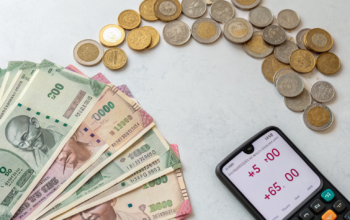
Picture this: you’re at an ATM during an emergency, only to discover you can’t withdraw the amount you need due to unexpected limits or charges. This frustrating scenario highlights the importance of understanding minimum withdrawal thresholds across different payment methods in India. From traditional ATM and debit cards using RuPay, Visa, or Mastercard networks to modern UPI systems, each payment method comes with its own set of rules and restrictions.
The Reserve Bank of India (RBI) has established comprehensive guidelines governing free transactions, daily limits, and charges that vary significantly across banks and card types. While most banks offer 3-5 free ATM transactions per month, charges of ₹21-23 plus GST apply thereafter, with new regulations taking effect from May 2025. Understanding these thresholds becomes crucial for effective cash management, as limits depend heavily on your specific bank, account profile, and card type – making it essential to verify current limits through your banking app.
Why Withdrawal Thresholds Matter in India
Withdrawal thresholds encompass three critical components: minimum transaction amounts (typically ₹100), daily withdrawal caps (ranging from ₹10,000 to ₹3,00,000), and per-transaction limits that can restrict single withdrawals regardless of daily allowances. These limits directly impact your ability to access cash during emergencies, requiring careful planning to avoid being caught short when you need funds most urgently.
The significance becomes particularly evident when comparing ATM withdrawals to digital payment methods like UPI. While ATMs impose strict physical limits and charge fees after free transactions, UPI transfers offer higher daily limits (₹1,00,000) with minimal restrictions. Planning your withdrawals around these thresholds ensures you maximize free transactions while maintaining access to necessary cash flow throughout the month.
Digital payment methods operate under entirely different threshold structures compared to traditional ATM systems. UPI transactions face fewer minimum restrictions but have their own daily caps, while ATM withdrawals require physical card presence and are subject to network-specific limitations that vary between RuPay, Visa, and Mastercard systems.
RBI Regulations Overview
- Free ATM transactions limited to 3-5 per month depending on bank and location (metro vs non-metro)
- Post-limit charges increased to ₹21-23 plus GST effective May 2025, up from previous ₹20 structure
- Daily withdrawal caps set by individual banks within RBI guidelines, typically ₹10,000 to ₹3,00,000
- Minimum withdrawal amounts standardized at ₹100 across most ATM networks nationwide
- Special provisions for senior citizens and differently-abled customers with enhanced free transaction limits
- Cross-bank ATM usage charges apply after exhausting home bank’s free transaction quota
How Limits Are Set
Banks determine individual withdrawal limits based on multiple factors including account type, relationship value, credit history, and card variant. Premium account holders typically receive higher limits, while basic savings accounts face more restrictive thresholds. These limits are not static and can be adjusted through mobile banking apps, internet banking portals, or by visiting branch locations.
Card type plays a crucial role in limit determination, with basic RuPay cards offering lower thresholds compared to Visa or Mastercard variants. Banks regularly review and update these limits based on regulatory changes, security considerations, and customer usage patterns, making it essential to verify current limits through official banking channels rather than relying on outdated information.
Typical ATM Withdrawal Limits by Debit Card Type
Debit card withdrawal limits vary dramatically based on card tier and network, with basic cards typically allowing ₹20,000-40,000 daily withdrawals while platinum variants extend up to ₹50,000-₹1,00,000. Premium cards designed for high-net-worth individuals can accommodate daily withdrawals reaching ₹3,00,000, though such limits require special approval and enhanced security verification.
The card network – whether RuPay, Visa, or Mastercard – significantly influences these limits, with international networks often providing higher thresholds for premium variants. Understanding your specific card’s capabilities helps avoid embarrassing situations where attempted withdrawals exceed available limits, particularly during travel or emergency situations requiring substantial cash access.
| Debit Card Type | Usual Daily Limit (₹) | Min Withdrawal (₹) | Banks Offering |
|---|---|---|---|
| RuPay Classic | 20,000-25,000 | 100 | SBI, PNB, Canara |
| Visa Platinum | 50,000-75,000 | 100 | HDFC, ICICI, Axis |
| Mastercard Gold | 40,000-60,000 | 100 | Kotak, Yes Bank |
| Premium Visa | 1,00,000-3,00,000 | 500 | HDFC, ICICI |
| RuPay Platinum | 75,000-1,00,000 | 100 | SBI, Bank of Baroda |
| Mastercard World | 2,00,000-3,00,000 | 500 | Private Banks |
Basic vs Premium Cards
Basic debit cards serve everyday banking needs with moderate withdrawal limits suitable for regular expenses, typically ranging ₹20,000-40,000 daily. These cards work well for salary account holders, students, and individuals with standard banking requirements who rarely need large cash withdrawals. Premium cards cater to high-income professionals, business owners, and affluent customers requiring substantial cash access for business operations, property transactions, or luxury purchases.
The fee structure also differs significantly, with basic cards often carrying minimal annual charges while premium variants command higher fees offset by enhanced benefits including higher withdrawal limits, international usage, and concierge services. Choosing between basic and premium depends on your cash flow patterns, with premium cards justified only if you regularly approach basic card limits.
Per-Transaction Caps
- Identify your card’s per-transaction limit, typically ₹10,000-20,000 for most debit cards regardless of daily allowances
- Plan multiple withdrawals if you need amounts exceeding per-transaction caps, spacing them appropriately to avoid triggering security alerts
- Understand that per-transaction limits override daily limits, meaning you cannot withdraw your entire daily allowance in a single transaction
- Consider visiting bank branches for large withdrawals exceeding ATM per-transaction caps, bringing proper identification and account verification
- Use internet banking or branch services for withdrawals exceeding ₹20,000 per transaction to avoid ATM restrictions entirely
SBI ATM Withdrawal Thresholds
State Bank of India, as the country’s largest public sector bank, offers varied withdrawal limits across its extensive debit card portfolio. Classic cards typically allow ₹40,000 daily withdrawals, while Platinum variants extend up to ₹1,00,000 for qualified customers. The bank’s RuPay, Visa, and Mastercard options each carry distinct limit structures, with minimum withdrawals standardized at ₹100 across all card types to maintain consistency with RBI guidelines.
| SBI Card Type | Daily Limit (₹) | Card Network | Notes |
|---|---|---|---|
| Classic Debit | 40,000 | RuPay | Basic account holders |
| Platinum Debit | 1,00,000 | RuPay/Visa | Premium customers |
| Gold Debit | 50,000 | Mastercard | Mid-tier option |
| Visa Classic | 25,000 | Visa | International usage |
| RuPay Select | 75,000 | RuPay | Enhanced domestic features |
| Mastercard Titanium | 2,00,000 | Mastercard | High-value customers |
| Simply Save | 20,000 | RuPay | Zero-balance account |
SBI Charges & Free Limits
SBI provides five free ATM transactions monthly for customers, with the allocation split between own ATMs and other bank ATMs based on location. Metro customers receive 3 free transactions at SBI ATMs plus 2 at other banks, while non-metro customers enjoy 5 free transactions at SBI ATMs plus 3 at other bank locations. After exhausting free limits, charges apply at ₹23 plus GST per transaction effective from the latest RBI guidelines.
The bank offers special concessions for senior citizens and premium account holders, extending free transaction limits based on relationship value and account maintenance criteria. Customers can track their monthly usage through SBI’s mobile app and plan withdrawals strategically to maximize free transactions while minimizing charges throughout the monthly cycle.
HDFC, ICICI & Private Bank Limits
Private banks typically offer higher withdrawal limits compared to public sector counterparts, with HDFC’s premium cards reaching ₹3,00,000 daily limits for qualified customers. ICICI and Kotak variants provide flexible limit structures based on account types, relationship values, and card categories, often featuring enhanced international usage capabilities alongside domestic withdrawal benefits.
| Bank | Card Type | Daily Limit (₹) | Updated |
|---|---|---|---|
| HDFC | Classic Debit | 25,000 | Jan 2026 |
| HDFC | Platinum Plus | 50,000 | Jan 2026 |
| HDFC | Millennia Debit | 2,00,000 | Dec 2025 |
| ICICI | Coral Debit | 1,00,000 | Nov 2025 |
| ICICI | Sapphiro Debit | 3,00,000 | Oct 2025 |
| Kotak | White Debit | 1,50,000 | Sep 2025 |
| Axis | Burgundy Debit | 3,00,000 | Aug 2025 |
HDFC Specifics
- JetPrivilege Platinum Debit Card offers ₹75,000 daily withdrawal limit with airline mile rewards
- Regalia Debit Card provides ₹1,00,000 daily limit exclusively for premium banking customers
- MoneyBack Debit Card features ₹40,000 limit with cashback benefits on fuel and grocery purchases
- Diners Club Black Debit Card delivers ₹3,00,000 daily limit for ultra-high net worth individuals
- EasyShop Platinum Debit Card allows ₹50,000 withdrawals with enhanced shopping rewards and discounts
- Business MoneyBack Card offers ₹1,50,000 daily limit designed specifically for small business owners
ICICI & Kotak Updates
ICICI Bank implemented significant changes in 2024, increasing limits across premium card categories while introducing new security features for high-value transactions. The Sapphiro Debit Card now offers enhanced ₹3,00,000 daily limits, while Coral variants provide ₹1,00,000 access suitable for affluent customers. Kotak Mahindra Bank similarly upgraded their White and Privy League card limits, reflecting growing customer demands for higher cash access in an increasingly expensive economy.
Public Sector Banks: Canara, PNB, BoB
Public sector banks maintain conservative withdrawal limits while ensuring widespread accessibility across rural and urban markets. Canara Bank’s limits range from ₹10,000 for basic accounts to ₹1,50,000 for premium customers, closely aligned with Punjab National Bank and Bank of Baroda offerings that prioritize financial inclusion alongside reasonable cash access for various customer segments.
| Bank | Card Type | Daily Limit (₹) | Min Txn |
|---|---|---|---|
| Canara Bank | Classic RuPay | 25,000 | 100 |
| Canara Bank | Platinum RuPay | 1,00,000 | 100 |
| PNB | Classic Debit | 25,000 | 100 |
| PNB | RuPay Platinum | 50,000 | 100 |
| Bank of Baroda | Visa Classic | 40,000 | 100 |
| Bank of Baroda | Mastercard Gold | 75,000 | 100 |
| Indian Bank | RuPay Classic | 20,000 | 100 |
| Indian Bank | RuPay Platinum | 1,00,000 | 100 |
| Central Bank | RuPay Select | 50,000 | 100 |
| UCO Bank | Mastercard | 30,000 | 100 |
Variations by Card Network
- RuPay networks offer competitive limits with enhanced domestic security features and lower international transaction fees
- Visa Classic cards provide moderate limits suitable for regular banking needs with global acceptance capabilities
- Mastercard variants deliver higher premium card limits with extensive international merchant network coverage
- RuPay Platinum cards feature enhanced limits comparable to international networks while supporting government payment initiatives
- Visa Platinum options provide superior international usage with higher withdrawal limits for frequent travelers
- Regional networks may offer specialized cards with unique limit structures tailored to local banking requirements
- Co-branded cards often feature modified limits based on partnership benefits and customer reward program integrations
Other Banks: Union, Indian Bank, BOI
Smaller public sector and regional banks maintain competitive withdrawal limits despite their smaller market presence, with Union Bank offering ₹25,000-₹1,00,000 ranges across different card tiers. Indian Bank’s RuPay portfolio extends up to ₹2,00,000 for premium customers, while Bank of India recently adjusted their basic card limits to ₹15,000 daily, reflecting conservative approach to cash withdrawal management in an increasingly digital payment landscape.
| Bank | Card | Limit (₹) | Special Notes |
|---|---|---|---|
| Union Bank | Classic Debit | 25,000 | Standard savings account |
| Union Bank | RuPay Platinum | 75,000 | Premium customer segment |
| Union Bank | Visa Gold | 1,00,000 | High-value account holders |
| Indian Bank | RuPay Classic | 10,000 | Basic savings features |
| Indian Bank | RuPay Select | 1,00,000 | Enhanced benefits package |
| Indian Bank | RuPay Platinum | 2,00,000 | Premium banking relationship |
| Bank of India | Classic RuPay | 15,000 | Recently reduced from ₹25k |
| Bank of India | Visa Platinum | 50,000 | International usage enabled |
| IOB | RuPay Classic | 20,000 | Standard account features |
| IOB | Mastercard Gold | 75,000 | Enhanced withdrawal access |
UPI & Digital Payment Withdrawal Thresholds
UPI transactions revolutionize cash access with significantly higher daily limits of ₹1,00,000 for standard transfers, while special categories like tax payments can reach ₹5,00,000 daily. Unlike traditional ATM withdrawals that require physical cards and impose minimum transaction amounts, UPI apps often eliminate minimum withdrawal restrictions, enabling micro-transactions as small as ₹1 for maximum flexibility in digital payment scenarios.
The comparison between UPI and ATM withdrawals reveals fundamental differences in accessibility and convenience. While ATMs limit you to specific locations and charge fees after free transactions, UPI enables instant transfers 24/7 without geographical constraints, making it increasingly attractive for users seeking higher limits without traditional banking restrictions that govern physical cash withdrawal systems.
UPI Limits 2026
- BHIM UPI maintains ₹1,00,000 daily transaction limits across all participating banks with enhanced security protocols for high-value transfers
- Google Pay increases limits to ₹1,00,000 daily for verified users, with additional ₹5,00,000 allowances for tax and utility payments through government portals
- PhonePe offers similar ₹1,00,000 daily limits while providing specialized merchant payment categories with extended thresholds for business transactions
- Paytm UPI services align with standard ₹1,00,000 limits while offering wallet integration for amounts exceeding daily UPI restrictions
- Bank-specific UPI apps may provide enhanced limits based on customer relationship values and account types maintained with respective institutions
UPI vs ATM Comparison
Direct comparison between UPI and ATM systems reveals distinct advantages for different usage scenarios, helping customers choose optimal withdrawal methods based on their specific requirements and preferences.
Charges, Rules & How to Increase Limits
- Standard ATM charges of ₹23 plus GST apply after exhausting monthly free transaction quotas, with variations between metro and non-metro locations
- Increase withdrawal limits through mobile banking apps by navigating to card management sections and requesting enhanced daily allowances
- Visit bank branches with identification documents to request permanent limit increases based on income verification and account relationship value
- Use internet banking portals to temporarily increase limits for specific dates, useful for planned large purchases or travel requirements
- Contact customer service helplines for immediate temporary limit enhancements during emergencies, subject to security verification processes
- Maintain higher average monthly balances to qualify for automatic limit increases offered by banks to valuable customers
- Consider upgrading to premium card variants that inherently provide higher withdrawal limits along with additional banking benefits and services
RBI Free Transaction Rules
The Reserve Bank of India’s comprehensive framework governing free ATM transactions varies between metro and non-metro locations, with metro customers typically receiving 3-5 free monthly transactions while non-metro customers enjoy enhanced quotas recognizing limited banking infrastructure availability. These rules undergo periodic review to balance customer convenience with banking sector sustainability, ensuring reasonable access to cash withdrawal services across India’s diverse geographic and economic landscape.